

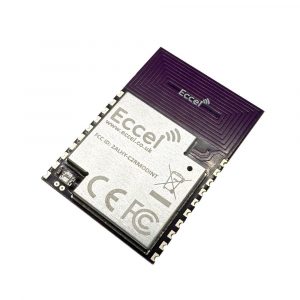
 Pepper C2 FCC Approved RFID Module with Integrated Antenna
 Long range NFC reader
Integrating a long range NFC reader into industrial and commercial hardware demands reliable components that operate effectively across diverse physical environments. This collection provides embedded solutions engineered for seamless system integration, minimizing the engineering hours required to achieve operational stability. By utilizing optimized industrial RFID tags, development teams can secure consistent technical performance while maintaining strict project timelines. If your application involves standard proximity identification, you may also consider our range of NFC cards.
-
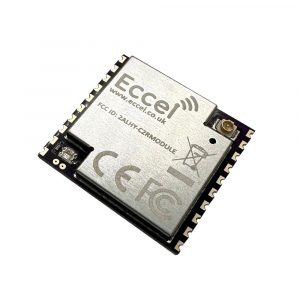
Pepper C2 FCC Approved RFID Module
£18.95Add to basketThe Pepper C2 FCC Approved RFID Module is a powerful, yet low cost full RFID/NFC read/write device. It is CE compliant and has FCC approval from the FCC for use in equipment supplied and fitted in the USA.
The Pepper C2 Module RFID reader is the advanced successor to the Pepper C1 Module, with increased range and full USB keyboard HID emulation. Unlike the Pepper C1 Module however, it does not have wireless capability but instead has command interface via UART and USB.
It maintains full compatibility with most of the tag types and protocols supported by the Pepper C1 Module. It supports MIFARE® Classic® in 1K, 4K memory, ICODE SLIX, ICODE SLIX2, MIFARE Ultralight®, MIFARE, MIFARE Plus®, NTAG® and DESFire (read UID only).
Our wide range of RFID NFC smart cards, tags and labels are tightly tuned to work with our readers for the best performance. See our range here: https://eccel.co.uk/product-category/rfid-cards-tags/
Our minimum order value is £50 but for small orders it may be cheaper to buy this product from our distributor partner: Digi-Key
-
Pepper C2 FCC Approved RFID Module with Integrated Antenna
£19.95Add to basketThe Pepper C2 FCC Approved RFID Module is a powerful, yet low cost full RFID/NFC read/write device. It is CE compliant and has FCC full modular approval from the FCC for use in equipment supplied and fitted in the USA.
The Pepper C2 Module RFID reader is the advanced successor to the Pepper C1 Module, with increased range and full USB keyboard HID emulation. Unlike the Pepper C1 Module however, it does not have wireless capability but instead has command interface via UART and USB.
It maintains full compatibility with most of the tag types and protocols supported by the Pepper C1 Module. It supports MIFARE® Classic® in 1K, 4K memory, ICODE SLIX, ICODE SLIX2, MIFARE Ultralight®, MIFARE, MIFARE Plus®, NTAG® and DESFire (read UID only).
Our wide range of RFID NFC smart cards, tags and labels are tightly tuned to work with our readers for the best performance. See our range here: https://eccel.co.uk/product-category/rfid-cards-tags/
Our minimum order value is £50 but for small orders it may be cheaper to buy this product from our distributor partners: Digi-Key
Customizing a Long Range NFC Antenna for Complex Environments
Off-the-shelf devices frequently face operational limitations when deployed in highly demanding physical environments. By engineering a specialized nfc reader long range configuration alongside a customized antenna, technical teams can overcome severe proximity challenges and material constraints without requiring a complete redesign of the main host system.
Modifying Antenna Tuning and Packaging
Adapting to specific industrial requirements relies on fundamental physics rather than altering the internal chip architecture. Optimizing the antenna tuning ensures that the transponder maintains robust signal integrity, even when mounted near challenging materials. Our specialized RFID antennas are designed to maximize this coupling effect.
Furthermore, altering the physical packaging and strictly controlling manufacturing tolerances protects the tag against environmental degradation. This technical precision directly reduces engineering iterations, lowering upfront R&D costs and accelerating the path to profitability. This is particularly vital when integrating a long range nfc antenna into a compact chassis.
Navigating Electromagnetic Interference
Metal enclosures and dense electronic assemblies often generate severe electromagnetic interference, which can disrupt standard communication between the reader and the transponder. Careful management of the radio frequency fields guarantees that passive devices continue to function with absolute reliability.
Implementing precise shielding techniques and adjusting the physical parameters of the antenna allows the device to effectively filter out unwanted noise. This secures accurate data transmission, protecting production lines from unexpected component failures and the costly downtime associated with them.
Securing Full Modular Approval for Passive Devices
Achieving regulatory compliance frequently presents a lengthy and expensive phase in the product development lifecycle. Utilizing components that already hold Full Modular Approval (FCC, CE, ISED, UKCA) significantly mitigates the risk of failing RF emissions testing during final system integration. This pre-certified status allows engineering teams to bypass complex RF certification stages, substantially cutting down time-to-market and maximizing the return on investment for the entire project.
Technical Capabilities of Our Long Range NFC Reader Devices
Reliable communication between the device and the main host system depends on robust hardware and versatile firmware specifications. These embedded solutions utilize industry-standard protocols to ensure secure and efficient data transfer for passive transponders.
- Frequency Support: Compatibility with multiple passive frequency ranges, including HF/LF, to accommodate specific industrial needs.
- Host Interfaces: Standardized communication utilizing I2C and RS485 protocols for reliable data exchange with the host controller.
- Data Security: Implementation of AES-128 encryption to secure data transmission between the reader and the transponder.
- Legacy Support: Advanced firmware options that support legacy protocol emulation to prevent system obsolescence.
- Manufacturing Standards: Strict tolerance controls at our manufacturing facility in Poland ensuring consistent performance.

